

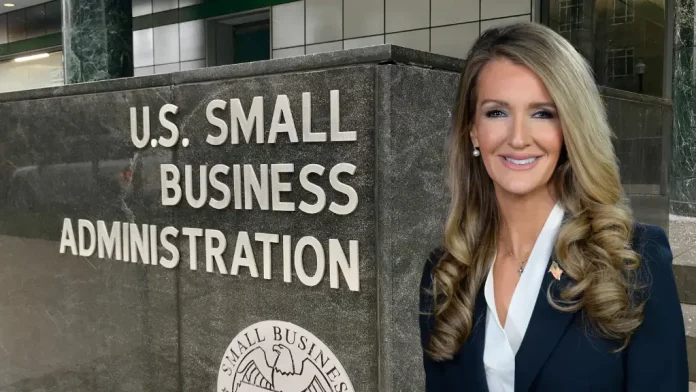
A new rule from the U.S. Small Business Administration took effect July 4. It lets eligible small business owners combine two of the agency’s most widely used loan programs. Together, the programs now offer up to $10 million in total financing.
The change doubles the previous cumulative cap of $5 million. It applies to borrowers who use both the 7(a) loan program and the 504 loan program.
SBA Administrator Kelly Loeffler announced the rule in May. She said it reflects growth already underway among small businesses.
What changed
Under the old rule, a small business could not stack the two loan programs past a combined $5 million ceiling. The new policy separates the two loan balances from each other.
Qualified borrowers who secure a 7(a) loan first can now access up to $5 million through that program. They can also access up to $5 million through the 504 program. That brings the total available SBA-backed financing to $10 million.
Small manufacturers already had a path to secure an unlimited number of 504 loans. Each loan had to tie to a separate project. Those manufacturers can now also apply for up to $5 million through the 7(a) program.
Why it matters for business owners
The two SBA loan programs typically serve different purposes. The 7(a) program covers working capital, equipment purchases, real estate acquisition and revolving credit lines. The 504 program covers long-term, fixed-rate financing for major fixed assets like buildings and heavy equipment. It’s delivered through Certified Development Companies, which are SBA-regulated nonprofit lenders.
Separating the two loan balances gives business owners more flexibility. An owner can pursue long-term financing for property or equipment through the 504 program. At the same time, they can tap the 7(a) program for working capital or expansion needs, without hitting a combined ceiling as quickly.
Who it helps
The SBA says the rule helps capital-intensive small businesses. That includes those in construction, logistics, energy and food production, along with manufacturers looking to expand production and hiring.
The SBA has made a series of policy changes this year aimed at expanding access to capital, and this rule is the latest. Earlier moves under Loeffler’s leadership included waiving loan fees for manufacturing NAICS codes and launching a loan program dedicated to American manufacturers. The agency also introduced a 90% Made in America Loan Guarantee for small manufacturers and a 90% Grocery Guarantee for businesses in the food supply chain.
 ASBN, from startup to success, we are your go-to resource for small business news, expert advice, information, and event coverage.