

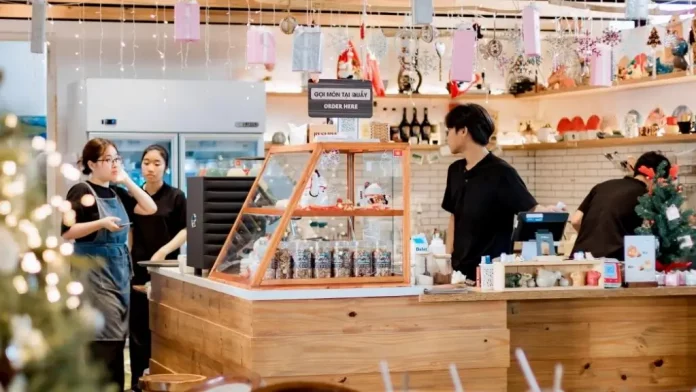
Whether it’s a major sporting event, music festival, convention, or holiday celebration, large events can bring thousands of potential customers into your community. While increased foot traffic can create valuable sales opportunities, it can also place added pressure on your staff, inventory, and day-to-day operations.
With the right preparation, small businesses can capitalize on the increased demand while minimizing disruptions. Here are several ways to prepare before the crowds arrive.
Plan for increased demand
One of the biggest mistakes businesses make is underestimating customer volume. Review previous sales trends if similar events have occurred in your area and determine whether you’ll need additional inventory, extended business hours, or temporary staff.
Preparing in advance can help prevent long wait times, stock shortages, and missed sales opportunities.
Strengthen your operations
A major event can expose weak spots in your day-to-day operations. Before crowds arrive, review your ordering process, checkout system, staffing plan, and customer flow. Make sure employees know who is responsible for handling inventory, answering questions, managing lines, and resolving customer issues.
Small improvements, such as speeding up checkout, adding mobile payment options, or preparing popular items in advance, can help your business serve more customers without sacrificing quality.
Update your marketing strategy
Large events introduce your business to customers who may have never visited before. Take advantage of the opportunity by promoting special offers on social media, updating your Google Business Profile, and ensuring your website reflects current hours, promotions, and inventory.
Businesses may also consider event-themed promotions or partnerships with nearby organizations to attract additional visitors.
Prepare your team
Peak business periods can place significant stress on employees. Before the event, review schedules, assign responsibilities, and ensure staff members understand customer service expectations.
Clear communication helps teams respond more efficiently during busy periods while maintaining a positive customer experience.
Think beyond the event
A successful event should create more than short-term revenue. Encourage first-time visitors to return by collecting email addresses for newsletters, promoting loyalty programs, or offering incentives for future purchases.
Turning one-time visitors into repeat customers can extend the value of a major event long after the crowds have gone home.
Major events create unique opportunities for small businesses, but success depends on preparation. By planning ahead, strengthening operations, and focusing on both customer experience and safety, business owners can make the most of increased traffic while positioning their businesses for long-term growth.
 ASBN, from startup to success, we are your go-to resource for small business news, expert advice, information, and event coverage.