
Entrepreneurship in America is vastly changing with Gen Z founders launching businesses earlier, building multi-income streams, and increasingly doing so outside of traditional startup hubs. At the same time, enhancements in AI are making it easier for small businesses to compete with larger corporations in ways we haven’t seen before.
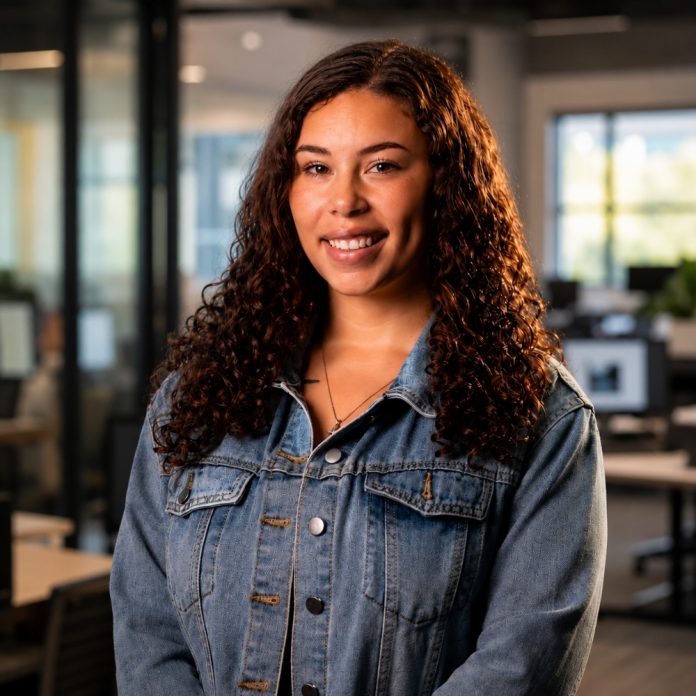
Joining us on the latest episode of Business Trends Today is Judy Nam, VP of Marketing at LinkedIn, to break down what these emerging entrepreneurial trends mean for business owners in 2026.
At LinkedIn, Nam primarily focuses on advocating for small businesses, bringing over two decades of experience helping companies turn complex ideas into practical growth strategies.
“Gen Z, the creative bunch that they are, are thinking about other ways of determining their futures.”
According to LinkedIn’s latest research, there has been a 70% year-over-year increase in founder-led entrepreneurship, with Gen Z accounting for a massive portion of that movement. With that, Nam notes that Gen Z founders are considering their lifestyle, financial successes and they are doing so creatively.
Conversely, Nam notes that many traditional “barriers to entry” have disappeared. Instead, working from home, working solo, and leveraging new tools have created unprecedented opportunities for entrepreneurs. She also alludes that the study recently discovered where this is happening, like coastal cities, and other cities that may not be known for being heavy AI or tech-driven, are also creating opportunities for individuals to create entrepreneurial startups.
The portfolio career
The linear career path most entrepreneurs used to take is no longer the norm. Nam says Gen Z is tapping into their networks, building a following around their expertise, and letting that audience generate opportunities, whether that’s a brand partnership, a consulting project, or a full-time role. Instead of one job, many are taking on a portfolio of offerings at once.
While AI disruption dominates headlines, Nam sees it differently for small businesses. AI tools now act as a stand-in for skills or staff entrepreneurs can’t yet afford, letting non-technical founders build technical products without hiring an engineer or going back to school. AI is also baked into existing tools, making it easier for entrepreneurs to pivot toward a new product, customer, or service without rebuilding their infrastructure from scratch.
New tools for SMB owners
LinkedIn continues rolling out features aimed at entrepreneurs and small businesses. One recent addition, Advice Sessions, lets experts monetize their knowledge directly on the platform, setting their own rate for paid one-on-one sessions with clients who find them through LinkedIn. The company’s premium company page experience now allows users to track up to nine competitors, giving small business owners visibility into engagement and performance benchmarks.
Moreover, LinkedIn’s Hiring Pro, an agentic hiring tool, gives entrepreneurs without HR departments an AI-driven recruiting assistant that can refine candidate searches based on real-time feedback.
Nonetheless, business owners looking to stay current on new features can follow LinkedIn for Small Business or visit LinkedIn’s small business resource page, where the company posts tutorials and research as new tools roll out.
 ASBN, from startup to success, we are your go-to resource for small business news, expert advice, information, and event coverage.