

If you’ve ever had the feeling that your regulars are the ones keeping the lights on, Square’s new research just proved you right.
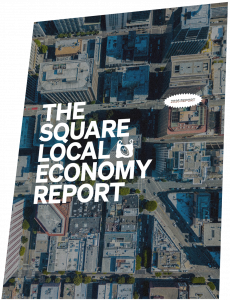
Square released its 2026 Local Economy Report today, drawing on millions of anonymized transactions and a survey of nearly 1,000 U.S. consumers. The headline finding is striking: regular customers, defined as anyone who visits at least four times in a year, generate six times more annual revenue than one-time visitors.
For small business owners navigating rising costs and economic uncertainty, that’s not just a feel-good stat. With the right strategy, it’s a real business model.
The 6X Customer You Already Have
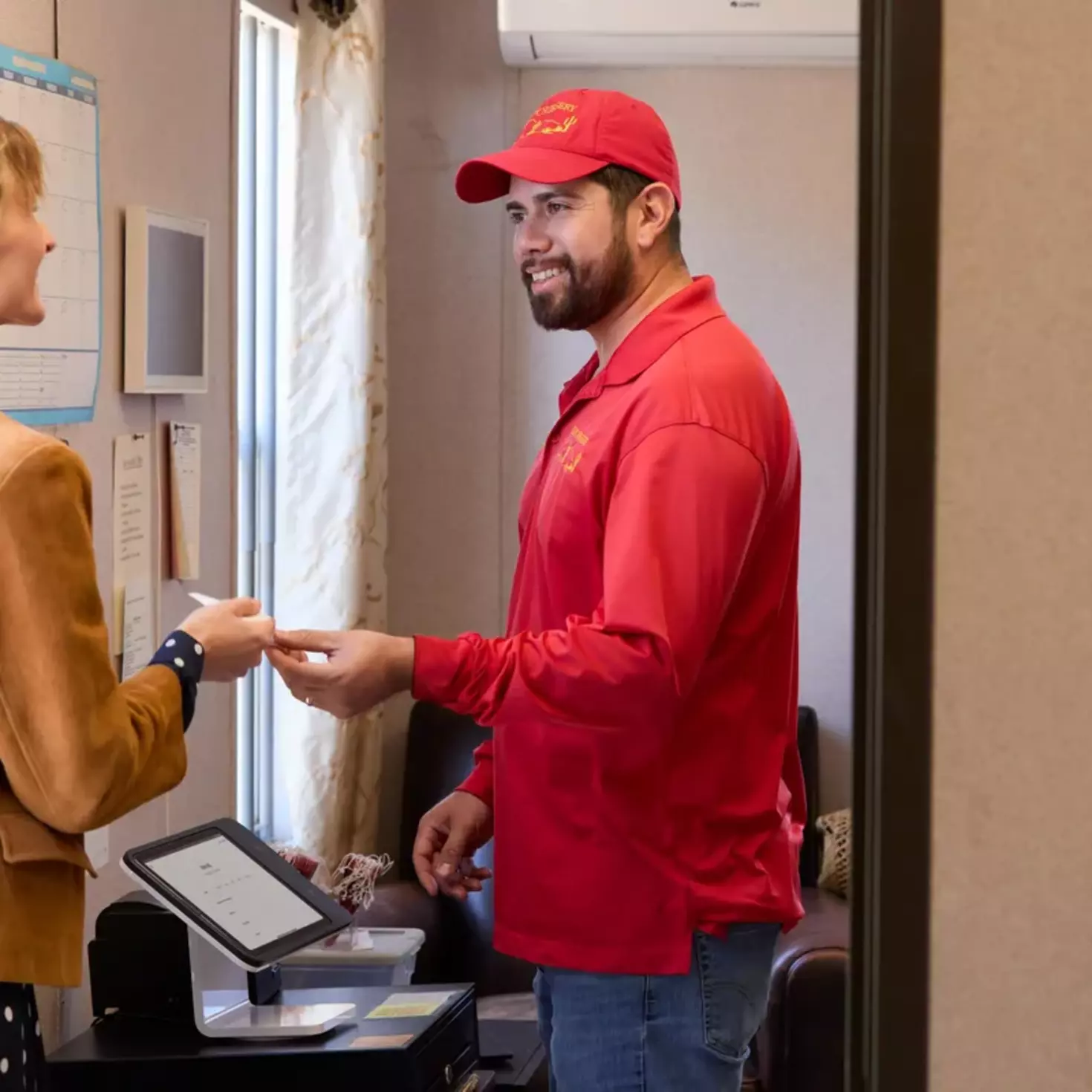
The gap between a regular and a transient customer goes beyond visit frequency. According to Square’s data, regulars also tip 11% higher on average, and their revenue grew 7.67% nationally in 2025, outpacing overall business revenue growth of 6.97%, even as revenue from one-time customers declined.
In other words, while the broader economy wobbled, your most loyal customers showed up more and spent more.
There’s another layer to this that’s easy to overlook: regulars are predictable. Square found that 59% of food and beverage regulars make the same order every time, and 78% of beauty business regulars buy the same products on each visit. That consistency gives owners the ability to plan. If you know what your regulars want, you can protect those offerings when making decisions about menus, pricing, and inventory.
Brandon White, owner of Brass Tacks Barbershop in Dallas, has built his business strategy around this idea: “I’m always pushing to rebook before you leave, because I want all regulars, all consistent clients.” Ending each visit with a future appointment already on the books is one of the simplest, highest-impact things a service business can do.
The Neighborhood Network Effect: Your Regulars Shop Next Door, Too
Here’s a finding that changes how you should think about your competition.
Square’s data reveals that 32% of regular customers are shared between businesses in the same ZIP code. Your best customer is probably also a regular at the coffee shop down the block, the boutique across the street, and the gym around the corner.
Square calls this the “Neighborhood Network Effect,” and the revenue implications are real. In Los Angeles, each shared-customer connection between two businesses is associated with an average of $2,201 in additional annual revenue.
Coffee shops and casual dining establishments tend to be the hub businesses in these networks, acting as the places that funnel customers to retailers, salons, and service providers. If you’re not the coffee shop, that’s actually good news. Proximity to one likely means you’re already benefiting.
The practical takeaway is that collaborating with neighboring businesses is a strategy, not just community goodwill. Civil Coffee in Los Angeles’ Highland Park neighborhood hosts block parties with nearby businesses where customers receive rewards for visiting multiple stops. Co-owner Alan Morales says the events drive a peak in sales, but the longer-term goal is staying top of mind: “It’s more about making sure you’re capturing their attention constantly in a world where there’s always something else opening up.”
Green Apple Books in San Francisco took a different approach, operating a pop-up inside a popular local bakery to reach customers in a part of the city where they had no storefront. The result: new regulars who then visit their main locations.
For more ideas on building local partnerships that drive revenue, check out ASBN’s small business marketing content and our coverage of customer experience best practices.
What Brings Customers Back (It’s Not What You Think)
When Square asked consumers why they return to local businesses, the answers were grounded and practical. The top reasons: affordable prices (65%), friendly and reliable service (54%), and convenient location (46%). Loyalty programs came in at 19%.
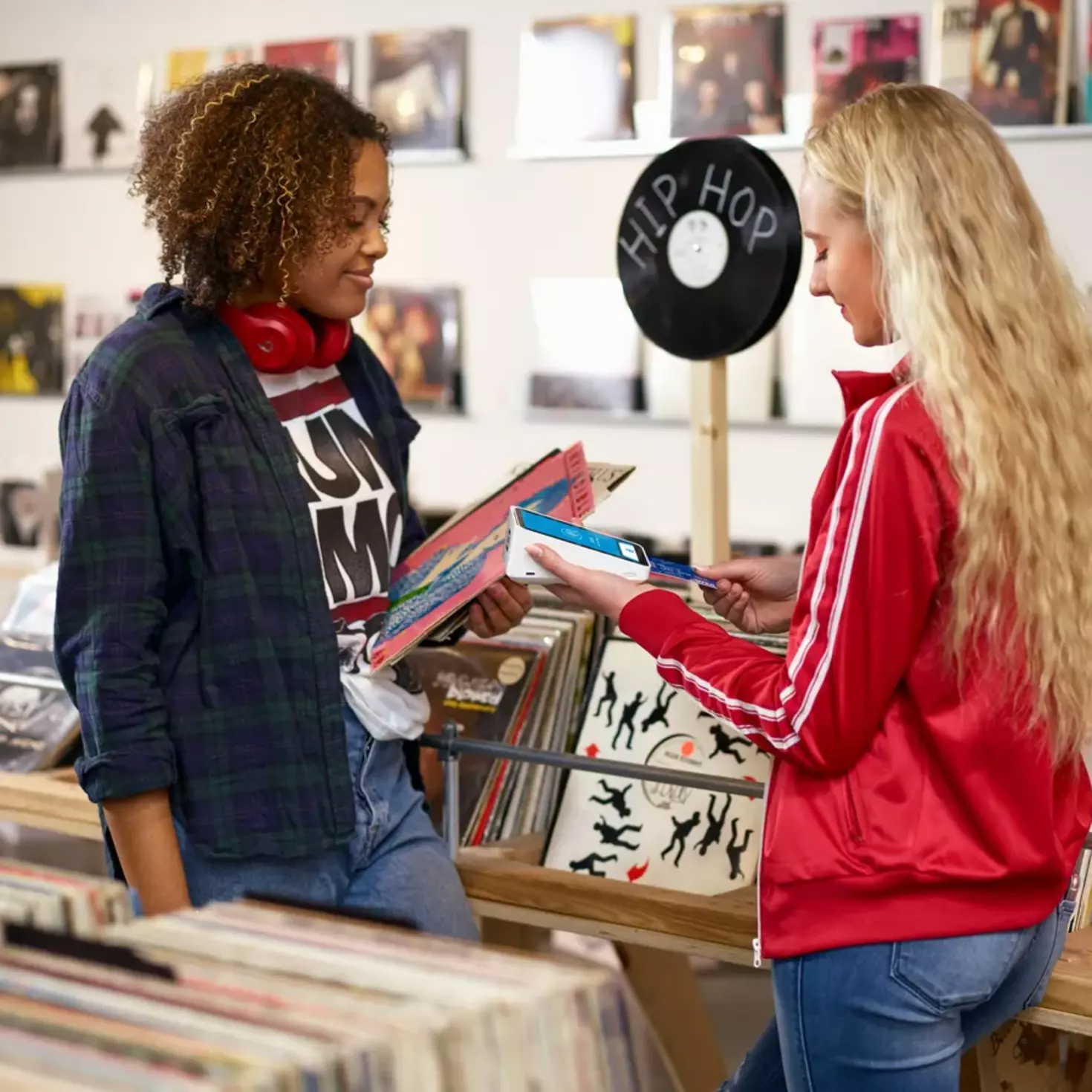
But here’s what sets memorable businesses apart from forgettable ones: 56% of consumers say knowledgeable staff is what makes a local business memorable. That outranks personalized experiences (43%) and the business’s atmosphere (53%). Your team’s expertise is a competitive advantage, whether it’s a barista who recommends the right roast, a stylist who knows what a client’s hair needs, or a retail associate who can explain a product in depth.
The report also found that consumers want to hear from you. Despite common assumptions about marketing fatigue, 83% of consumers say they’re open to receiving messages from local businesses. Email is the preferred channel (45%), followed by text/SMS (32%) and social media content (31%). The caveat is that the content has to be relevant — updates about new menus, events, hours, or exclusive offers, not generic blasts.
Marketing Tools: The Gap Is Wider Than You’d Expect
This is where the data gets especially useful for owners who haven’t yet invested in digital marketing or a loyalty program.
According to Square’s analysis, businesses using marketing tools (email, text, or loyalty programs) maintained regular customers at a 90% rate in 2025. Businesses without those tools maintained just 38%.
The transaction numbers are equally eye-opening. Local businesses using marketing products see an average of six times more daily transactions than those that don’t. In New York City, businesses using digital engagement tools see 11 times more daily transactions. And across the country, launching a marketing or loyalty program is associated with a 5% lift in total transactions in the three months following activation. Houston businesses see double the national average at 11%.
Brian Krider, co-founder of Ben’s Soft Pretzels in Elkhart, Indiana, put it plainly: “Our loyalty club members spend an average of two or three dollars more per transaction. It’s one-and-a-half to two times more than a non-loyalty customer. So those things are huge.”
While hesitation to invest in these tools is understandable, the data suggests the cost of inaction is significant.
The Spending Outlook: Good News With a Caveat
Consumer commitment to local commerce is holding up well. 75% of consumers plan to spend at least as much, if not more, at local businesses over the next 12 months, and 55% are shopping or dining locally at least once a week.
The more nuanced finding is where they plan to cut back if budgets tighten: 27% say bars and breweries would be the first to go, and another 27% say the same about full-service restaurants. Retail, on the other hand, is the most stable category, with 78% of consumers planning to maintain or increase their spending there.
For bars, breweries, and full-service restaurants, this signals a real need to double down on value. The good news is that 72% of consumers say they’ll tolerate price increases if paired with added value. Things like better products, exclusive offers, or enhanced experiences. That’s a green light to raise prices thoughtfully, as long as customers can see and feel what they’re getting in return.
The Playbook for 2026
 The through line across all of Square’s data is that the businesses most likely to thrive this year are the ones treating loyalty, convenience, and community connection as a single unified strategy.
A few moves worth considering:
Know your regulars. Point-of-sale systems that track purchase history let you see who your consistent customers are, what they order, and when they tend to return. That data is the foundation for everything else.
Stay in contact. Regulars want to hear from you. An email announcing a new menu item, a text about an upcoming event, or a loyalty point reminder keeps your business top of mind between visits.
Get outside your four walls. Connect with neighboring businesses. Participate in local events. Consider cross-promotions. The network effect is real, and the revenue lift it produces is measurable.
Invest in your staff’s expertise. Training your team to know your products deeply, remember returning customers, and offer genuinely helpful recommendations is one of the most cost-effective loyalty tools available.
Running a small business has always been about relationships, but it’s easy to lose sight of that when you’re focused on acquiring new customers, chasing foot traffic, or trying to figure out social media. What this data is really saying is that the customer who already knows your name is your most valuable asset, and most businesses are underinvesting in keeping them.
That doesn’t have to mean a loyalty app or an email newsletter if that’s not your thing. It can be as simple as remembering what someone orders, rebooking them before they leave, or showing up at a neighboring business’s event once in a while. The fundamentals haven’t changed. Consumers are still showing up for local businesses. They’re just being more deliberate about which ones earn their repeat business. The owners who will feel it most in 2026 are the ones who treat that deliberateness as an invitation rather than a threat.
This article just scratches the surface… For a more in-depth breakdown of these findings, read Square’s full 2026 Local Economy Report here.
 ASBN, from startup to success, we are your go-to resource for small business news, expert advice, information, and event coverage.