
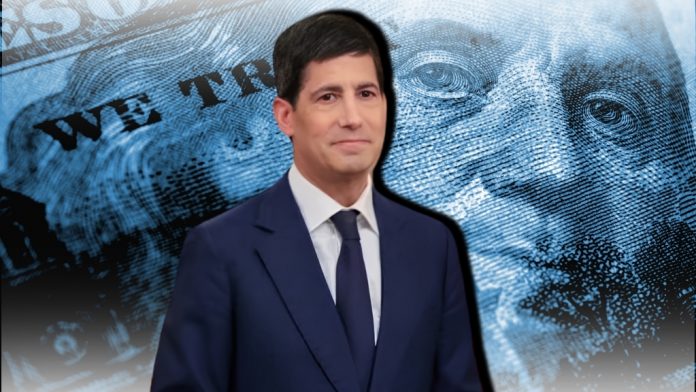
The Federal Open Market Committee (FOMC) raised the federal funds target range to 3.75% to 4% Wednesday, marking the first rate increase in more than three years. Policymakers voted unanimously, signaling firm agreement that the economy can handle tighter policy as the Fed works to push inflation back toward its long-term 2% target.
The FOMC held its September meeting September 15-16, according to the central bank’s calendar. The Bureau of Labor Statistics reported that August consumer prices climbed 3.4% year over year, while core Consumer Price Index (CPI) data, which excludes food and energy, rose 2.4%, the smallest annual increase since March 2021, a sign that underlying price pressures continue to ease even as headline inflation stays elevated.
Updated economic projections show that 12 of 18 FOMC officials expect one additional rate hike at one of the Fed’s final two meetings this year, while four officials forecast two more increases and two officials foresee no further hikes. Fed Chair Kevin Warsh did not submit a personal projection, but the outlook underscores the committee’s commitment to steering inflation lower without derailing the labor market, which officials described as steady heading into fall.
August prices rose 0.4% from July, driven largely by a 3.9% jump in gasoline costs as the energy index climbed 16.3% over the past year and gasoline prices rose 27.4%. Core inflation held at 2.4% for the 12 months through August, its lowest annual pace since March 2021. The Fed’s preferred personal consumption expenditures (PCE) price index remains above target as well, keeping pressure on policymakers to maintain a restrictive stance.
Market headwinds
The ongoing conflict involving Iran has increased volatility in energy markets, driving up gasoline and fuel prices and complicating the Federal Reserve’s efforts to reduce inflation. Higher energy costs can impact transportation and production expenses, though cooling core inflation suggests some pressure may be easing outside the energy sector.
The Congressional Budget Office has warned that the conflict could raise inflation more than previously expected.
Meanwhile, President Trump continues to call for lower interest rates, while Kevin Warsh emphasizes the Fed’s duty to address elevated inflation. In August, Warsh stated that the Fed has “work to do” if price growth does not align with its 2% goal.
How SMBs can still benefit
For small business owners, the recent rate increase brings both challenges and benefits. Unlike larger firms, small businesses feel rising costs more acutely, but a rate hike aimed at controlling inflation can help stabilize long-term expenses like input costs, rents, and wages.
Signs of cooling inflation, particularly reflected in the core CPI, provide a more predictable budgeting landscape for the coming year. The labor market remains strong, allowing small businesses to hire and retain staff even amid higher rates.
Businesses with cash reserves can also benefit, as benchmark rate increases typically raise returns on savings. Importantly, economists do not foresee aggressive rate hikes in the near future, providing small business owners with clarity for financing and expansion plans. While elevated borrowing costs still pose a challenge, easing inflation and a stable labor market offer a more favorable environment for strategic planning.
 ASBN, from startup to success, we are your go-to resource for small business news, expert advice, information, and event coverage.