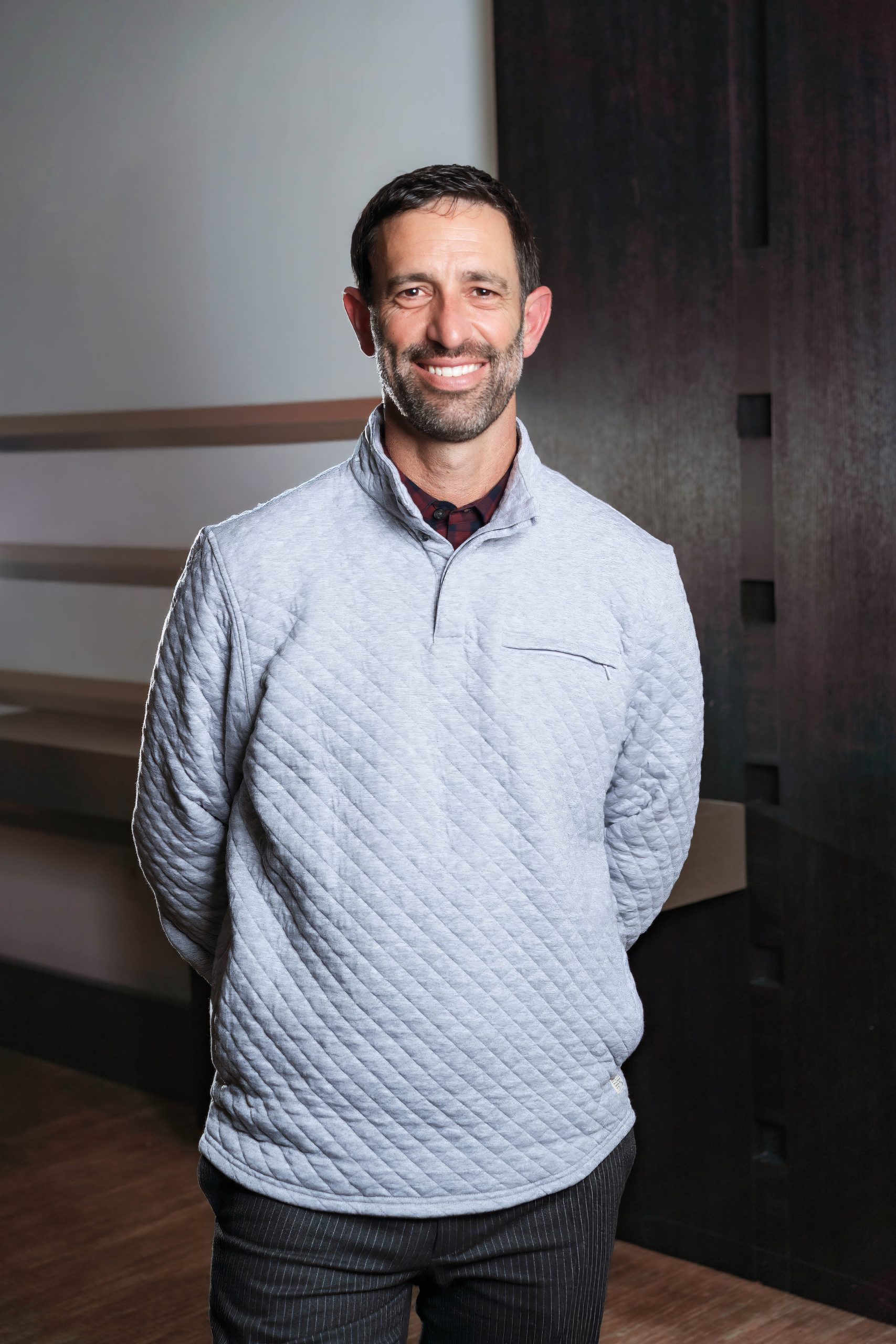


When I left the office on a Friday, I was a regional sales rep. By Monday morning, I was president of our family business at 29 years old.
There was no onramp. No succession plan. No neatly laminated playbook. Just a $30 million business, fifty team members, and a growing sense that leadership is less about control and more about stewardship.
Over the next fifteen years, we grew from $30 million to more than $215 million in annual revenue. But revenue was less of a chase and more of an outcome. The real story was cultural. We had to decide whether we would scale through pressure, politics, and fear or through building trust, deepening ownership, and perpetuating generosity.
Growth exposes what you really believe. Here are five ways to scale a business without losing your culture or your people.
- Scale trust before revenue
Many companies chase growth first and hope culture keeps up. Yikes.
When I stepped into leadership, we had already experienced a painful layoff season. Trust had been fractured. I learned the hard way that you can hit financial targets and still lose the heart of your team.
Trust isn’t a soft metric. It is the operating system underneath everything that takes place in an organization.
If people feel unsafe, unseen, or unsure where they stand, they self-protect. They hold back ideas. They manage optics instead of outcomes. An outstanding strategy doesn’t stand a chance in a culture of quiet self-preservation.
Scaling trust requires:
- A strong vision
- Clear expectations
- Honest conversations
- Humble leaders who own their mistakes
Revenue follows trust far more often than trust follows revenue.
- Shift from the ‘Me-Cycle’ to the ‘We-Cycle’
As companies grow, silos tend to grow within them.
Departments compete for resources. Leaders defend turf. Individuals optimize for their own success. I call this the Me-Cycle, a self-protective mindset where everyone is looking to survive or win independently.
The Me-Cycle might produce short bursts of output but it won’t sustain healthy growth.
When we scale within a We-Cycle culture, where leaders work together, make thoughtful decisions, and lead with transparency. When people believe they are part of something bigger than their own role, discretionary effort rises. Collaboration replaces competition. Ownership expands.
The We-Cycle isn’t soft leadership. It is high-clarity, high-accountability, high-care leadership.
When leaders choose we over me, performance compounds.
- Grow leaders first
One of the fastest ways to break a scaling company is to promote people based solely on their skills as a technician.
High performers are often rewarded with management responsibility, but leading people requires different muscles than hitting targets on your own.
As we grew from fifty to hundreds of team members, I realized that scaling the business meant scaling leadership capacity at every level. That required:
- Coaching, not just managing
- Feedback loops, not just scorecards
- Teaching people how to build trust, not just close deals
You can’t scale what you do not intentionally develop.
If your organization doubles in size but your leaders don’t double in maturity, emotional intelligence, and clarity, you will feel the strain everywhere. Culture, retention, and customer experience will all suffer.
The future of your business depends on the leaders you are forming today.
- Choose long-term health over short-term optics
Public markets reward quarters. Healthy organizations reward decades.
It is tempting, especially in growth seasons, to make decisions that look good quickly. Cut here. Push there. Extract a little more from already tired people.
But scaling is not about squeezing more from your team. It is about building systems where people can sustainably bring their best.
That means asking better questions:
- Will this decision increase or erode trust?
- Are we protecting margin at the expense of morale?
- Does this align with who we say we are?
Healthy growth often feels slower in the short term. It requires patience, communication, and alignment. Over time, it creates resilience. Resilience is what allows companies to weather downturns without panicking or betraying their values.
Scaling without integrity is easy.
Scaling with integrity requires courage.
- Remember that people are the strategy
In high-growth environments, it is easy to reduce people to resources.
But people aren’t line items. They are the strategy.
When team members feel safe, seen, and set up for success, they respond with trust. Trust turns into ownership. Ownership turns into generosity, people going above and beyond not because they have to, but because they want to.
That is when performance shines.
During our growth from $30 million to over $215 million, the most meaningful moments were not revenue milestones. They were stories of:
- A leader shifting from blame to responsibility
- A team member growing in ways they never imagined
- A difficult decision handled with transparency instead of secrecy
Culture isn’t a side project. It is the multiplier.
If you want uncommon performance, you must build uncommon care.
The real measure of scale
Scaling a business isn’t merely about expanding market share or adding locations. It is about expanding capacity. Capacity for trust, for clarity, for ownership, and for generosity.
Anyone can grow revenue in a hot market. Not everyone can grow people while doing it.
When I was thrust into leadership at twenty-nine, I thought my job was to prove I belonged in the role. Over time, I realized my job was something far more important: to create a place where people loved to work.
If we are going to ask people to spend eighty thousand hours of their lives at work, why not make it a transformational experience?
Scale your business, yes.
But scale your culture first.
Because in the end, companies don’t outperform their culture for long.
And people always matter at work.
 ASBN, from startup to success, we are your go-to resource for small business news, expert advice, information, and event coverage.