

Starting a business from scratch is not the only path to entrepreneurship. Dr. Lisa Piercy, a physician executive, former Tennessee Commissioner of Health, and founder of Tristela Capital Partners, joins us on the latest episode of The Small Business Show and urges aspiring business owners to consider buying an existing business, especially as a historic wave of ownership transitions accelerates across the U.S.
According to Dr. Piercy, nearly half of business owners nationwide are Baby Boomers who are nearing retirement or have already stepped away. This demographic shift, she says, is setting the stage for the largest generational wealth transfer in U.S. history. Importantly, Dr. Piercy notes that many of these businesses remain profitable, operationally sound, and well-positioned for continuity rather than closure. Yet, they are often overlooked by first-time entrepreneurs who default to starting something new.
Rethinking entrepreneurship
Dr. Piercy challenges the traditional notion that entrepreneurship must involve building a company from the ground up. Instead, she emphasizes that ownership, not origination, is the true hallmark of entrepreneurship. By purchasing an existing business, buyers can step into established cash flow, a defined customer base, and functioning operational systems, which reduces many of the risks associated with startups.
“We’re getting ready to look at the largest generational wealth transfer in history.”
This perspective is informed by her own career transition. After years in medicine, health system leadership, and public service, Dr. Piercy began exploring entrepreneurship following the pandemic. With family responsibilities and financial considerations in mind, she chose to acquire rather than start a business from scratch. Since then, she has completed multiple business purchases.
Inside the book
In her book, Natural Born Entrepreneurs: Breaking Into Business Ownership, Dr. Piercy sets out to demystify the acquisition process for everyday professionals who may feel intimidated by business buying. The book is intentionally written for practical readers rather than institutional investors or MBA-trained specialists.
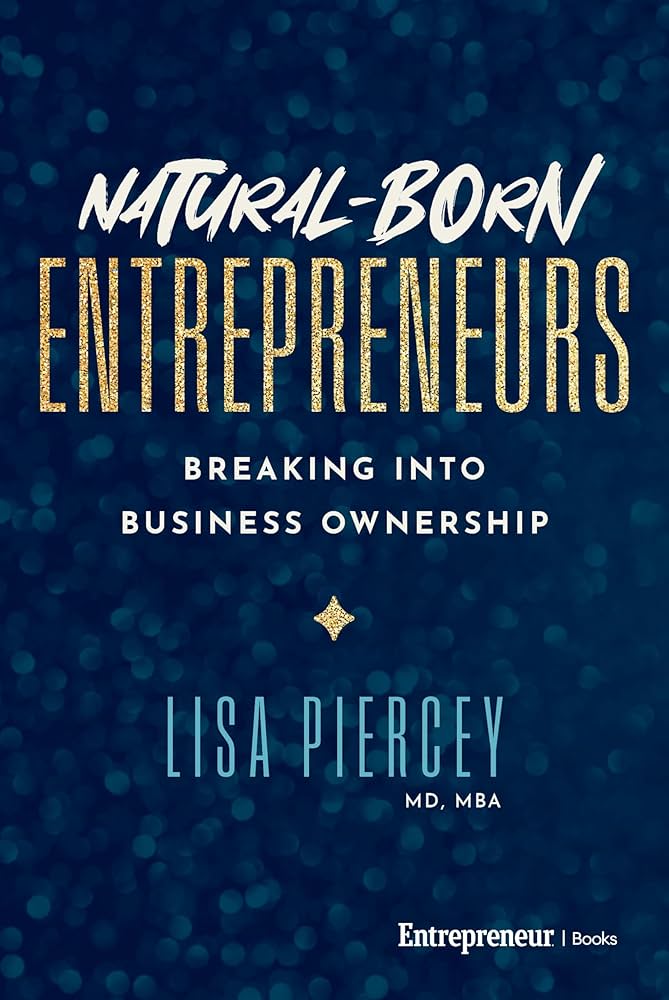
The opening section focuses on the “why,” outlining who should consider buying a business and who should not. Dr. Piercy is clear that acquisition is a major financial decision that requires preparation, discipline, and realistic expectations.
From there, the book provides a step-by-step framework covering deal sourcing, opportunity evaluation, financing options, due diligence, closing, and navigating the first 100 days of ownership. While she stresses that buyers do not need a finance degree, she emphasizes the importance of understanding core financial fundamentals and avoiding distressed or unstable operations.
Experience and financing
One recurring debate addressed in the book is whether buyers need prior industry experience. Dr. Piercy suggests that mid-career professionals are often better off leveraging the networks, skills, and insights they have already built, rather than abandoning them entirely.
Financing is another major focus, with dedicated chapters on both debt and equity. She walks readers through SBA loans, traditional bank financing, seller financing, and equity participation. Her message is consistent: buyers do not need millions in cash, but they do need to show commitment and financial discipline.
Dr. Piercy also points to growing interest in durable, service-oriented industries such as laundromats, car washes, HVAC, plumbing, electrical services, and home-based healthcare. These businesses often benefit from recurring demand and are less susceptible to rapid technological disruption.
For those just beginning the process, she recommends drafting a clear investment or search thesis to define objectives and constraints. From there, reviewing businesses for sale helps buyers develop pattern recognition and a deeper understanding of financial drivers before making any commitments.
Beyond the balance sheet
Beyond individual returns, Dr. Piercy highlights the broader community impact of successful ownership transitions. Keeping small businesses operating preserves jobs, maintains essential services, and supports local economic stability, especially in smaller markets.
Ultimately, Dr. Piercy frames business acquisition as a disciplined, intentional path to ownership that prioritizes sustainability over hype. For professionals seeking control, long-term value, and meaningful impact, buying an existing business may offer a compelling alternative to starting from the ground up.

 ASBN, from startup to success, we are your go-to resource for small business news, expert advice, information, and event coverage.