

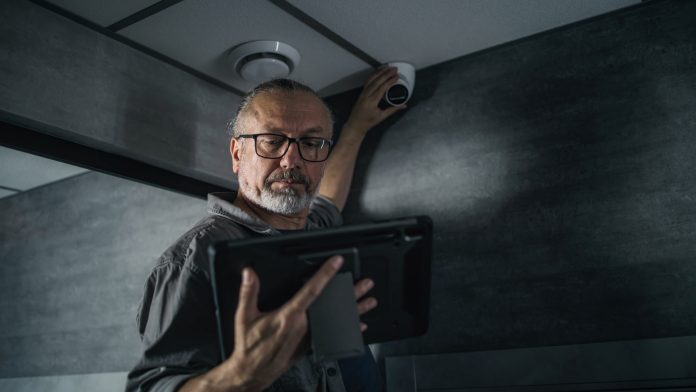
Security integration combines your physical and digital defenses into a single, coordinated system. Instead of dealing with isolated cameras, alarms and cybersecurity tools, you connect them so they share data and context through your existing IT infrastructure.
When cameras talk to your network, your identity systems and incident response tools, you gain faster alerts, clearer visibility and more reliable evidence. For a small business, that means fewer blind spots, quicker decisions and a security posture that grows alongside your technology and your team.
Choosing the right hardware
Cameras and recorders are intellectual property (IP) devices that live on your network. That makes hardware choice a strategic IT decision, not merely a facilities purchase. If you choose devices without planning for bandwidth and storage, your cameras will compete with point-of-sale systems, voice over internet protocol (VoIP) calls and cloud apps.
Instead of chasing the highest specs, think about how each device fits into your setup. Higher-resolution cameras, long retention times and continuous recording all increase the amount of data your system creates. That data has to move across your switches and internet connections and then land in storage you can manage.
Storage is another major choice. Local network video recorders (NVR) or network-attached storage (NAS) devices keep video recordings on-site, reduce internet usage and can still support remote viewing. Cloud recording facilitates off-site access and backup, but it incurs monthly costs.
Regulatory and risk requirements should also guide your hardware list. Under the U.S. National Defense Authorization Act (NDAA), some brands such as Huawei, Dahua and Hytera are restricted in government-related environments because of security concerns. Using NDAA-compliant cameras lowers risk and keeps your system eligible for many U.S. settings, including some public-sector workspaces. Choosing compliant hardware early helps you avoid future replacement projects and protects your reputation with larger customers.
Best practices for network and system integration
After you choose cameras and recorders, you must connect them without disrupting day-to-day work. Video traffic can be heavy, so establishing a clear structure is key.
Segment security devices on the network
A simple but powerful step is to place cameras on their own network segment or virtual local area network (VLAN). Keeping connected devices on a separate network helps contain attacks if one device is breached. It also makes it easier to manage updates and traffic. Here’s what you can do:
- Create a dedicated VLAN or subnet for cameras and recording devices.
- Use Quality of Service rules to ensure video traffic has enough bandwidth.
- Favor wired connections and power over Ethernet (PoE), so cameras get stable power and network from one cable.
Centralize control with management platform
Modern video management or access control systems can bring cameras, doors and alarms into a single dashboard. A whitepaper on digitized access control notes that this kind of integration improves visibility, makes audits more seamless and supports better cybersecurity controls. It also speeds up incident response because staff do not have to juggle separate interfaces.
When you evaluate platforms, check that they connect with your identity provider or single sign-on system and support mobile access for trusted staff. It should also work with your chosen storage model, whether that is a local, cloud or hybrid design.
Strengthening access with advanced security measures
Once the hardware and network are in place, you need to control who can view and change settings. Set up role-based access on your NVR, cloud video platform and door systems. Grant staff only the access they need, such as “view only” for managers or “admin” only for a small trusted group.
Multi-factor authentication (MFA) should be on for every admin account and any account that can change security settings. A strong MFA can block around 99.9% of automated attacks that rely on stolen or guessed passwords. Biometrics, such as facial recognition and fingerprints, are among the most secure MFA methods because they are based on physical traits rather than codes or security questions.
Integrating these tools into your current tech stacks enables you to manage identities more efficiently. Password rules, offboarding and activity logs stay consistent across file systems, email and security platforms. This can help reduce confusion and expedite investigations or audits.
Building a resilient security ecosystem
When cameras, access control and identity tools work together, you get a security system that grows with your business. However, these still need regular reviews because threats, laws and your operations can change. Set a schedule at least once a year to check firmware updates, user lists and storage settings. When you need more depth, work with experts in IT security and physical systems, allowing you to continually improve protection without overwhelming your team.
 ASBN, from startup to success, we are your go-to resource for small business news, expert advice, information, and event coverage.